
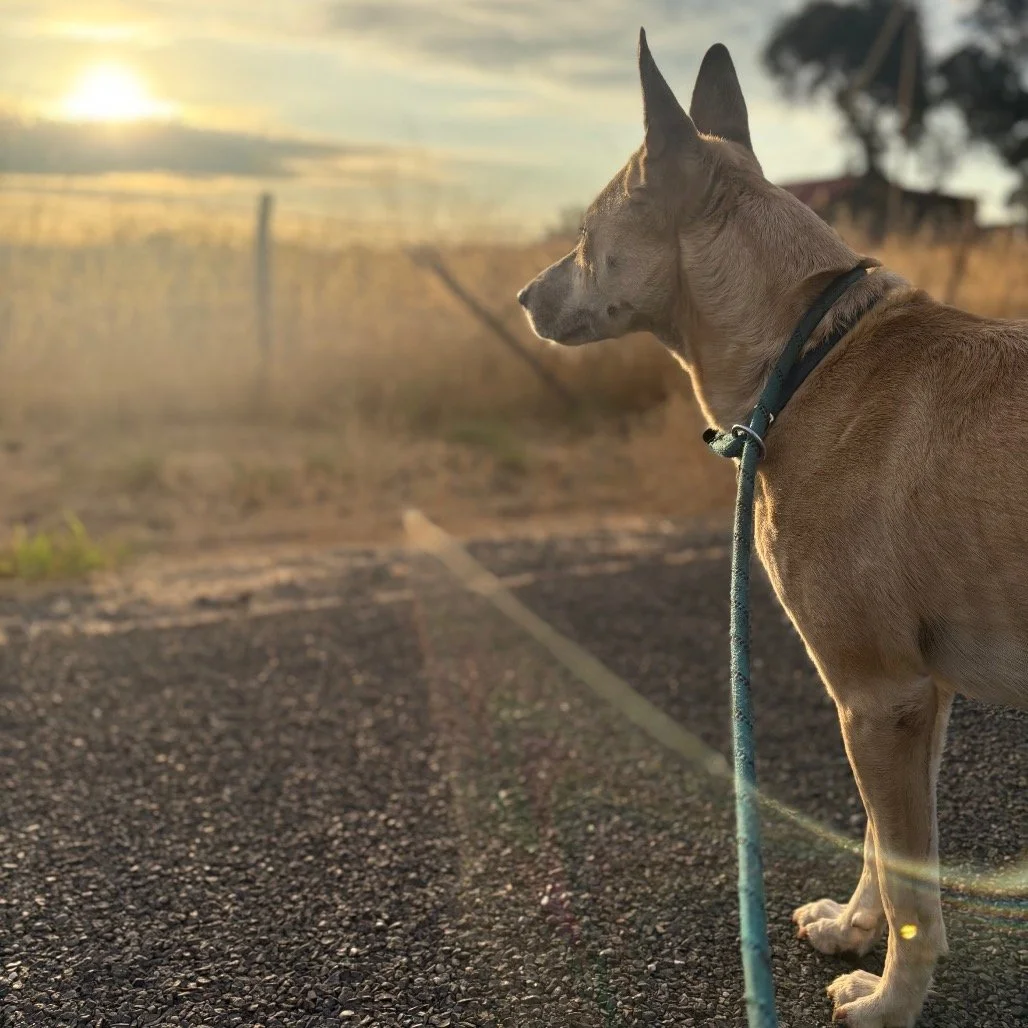
“Changing Shelter Stereo-types One Training Session At a Time.”
Wags & Whiskers Rescue Training is only open to prior adopters and current fosters. No outside clients at this time.
Let’s Make A Tail Wag!
Submit Your Application Today!
Why Do We Train?
Structure
Training provides dogs with the structured routines they need in order to properly regulate their emotions and behavior.
Voice for the Voiceless
With the intense, traumatic history these animals come in with, they need someone now more than ever to be their voice.
Long-term Commitment
Helps with adoption by making dogs more confident, well-behaved, and easier to manage in a home setting.
Data That
Tells a Story
Last year in 2025, these were the statistics that shelters were, and still are, observing.
Not only did surrenders of animals increase in shelters by a whopping 30%, but overall, 37% of theses surrenders were owned for LESS than one year.
Our biggest realization yet…? Over 50% Of Owner Surrenders in 2025 were due to behavioral issues.
This included 59% of those surrenders came in originally as strays.
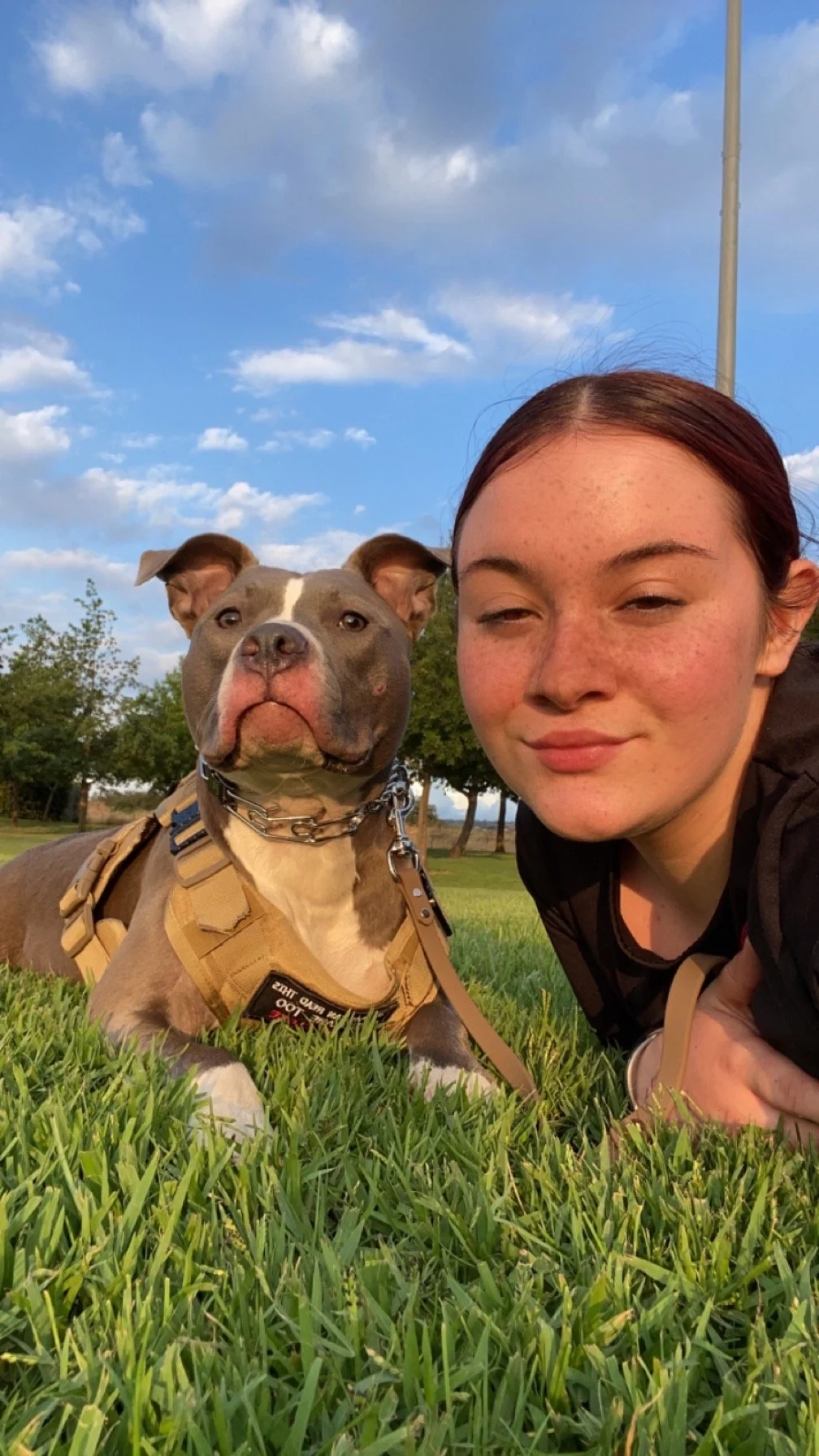
Meet Our Head Dog Trainer
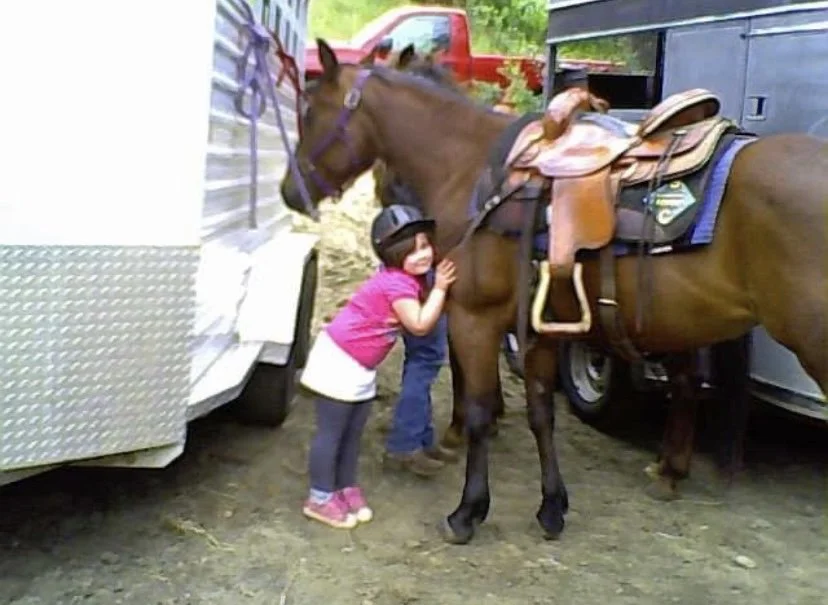
Patsy is a balanced dog trainer whose journey began with rescuing and training horses, specializing in mustangs. Over time, her focus shifted to young German Shepherd K9s in Amador County, where she developed a deep passion for PSA and working dogs.
Certified through Robert Cabral’s training programs, Patsy also gained hands-on experience in training facilities, veterinary offices, and other animal care settings.
Today, she channels her expertise into providing the extra support rescue dogs need, ensuring they thrive in loving homes and enjoy long-term success, happiness, and comfort.
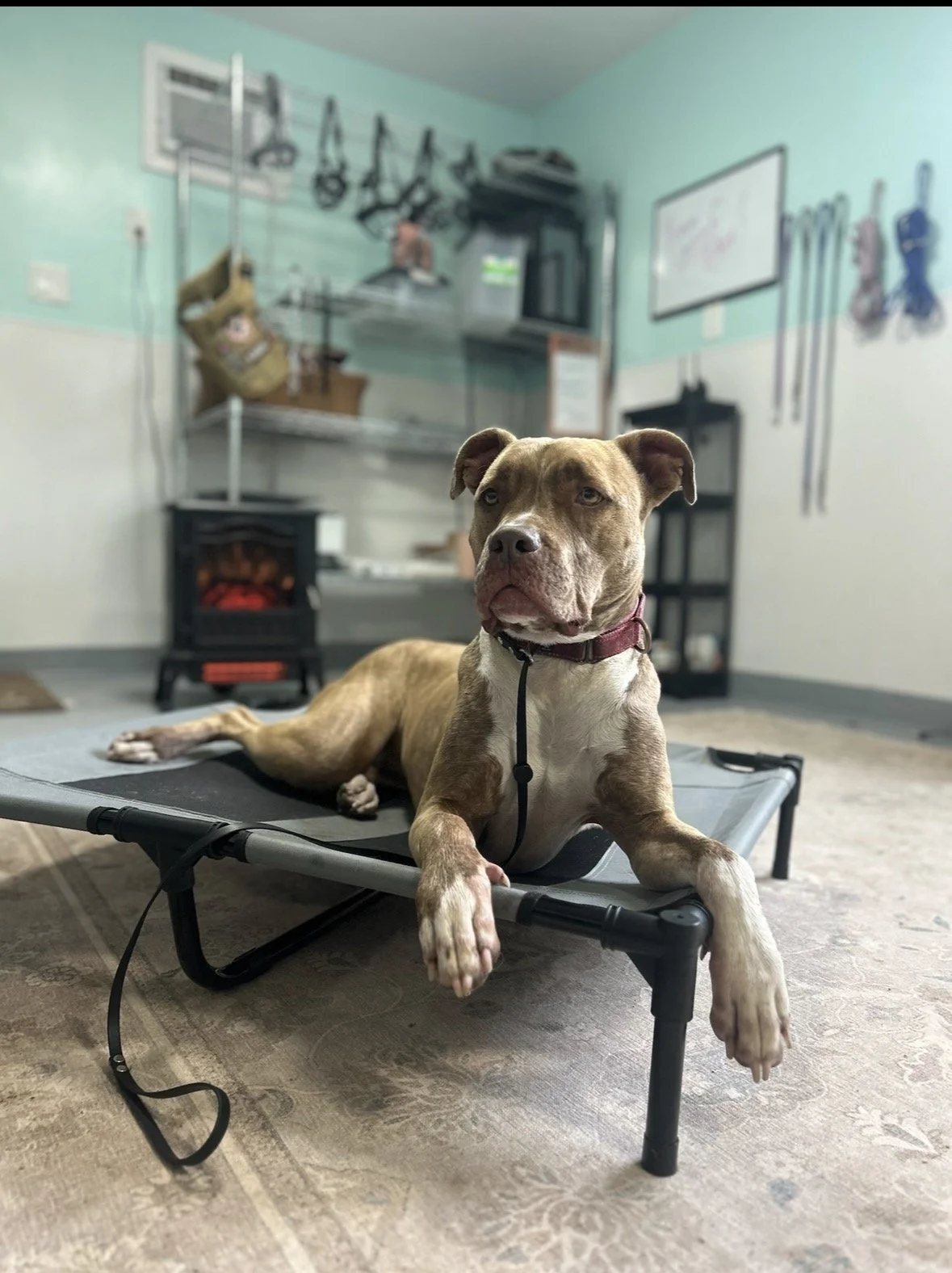
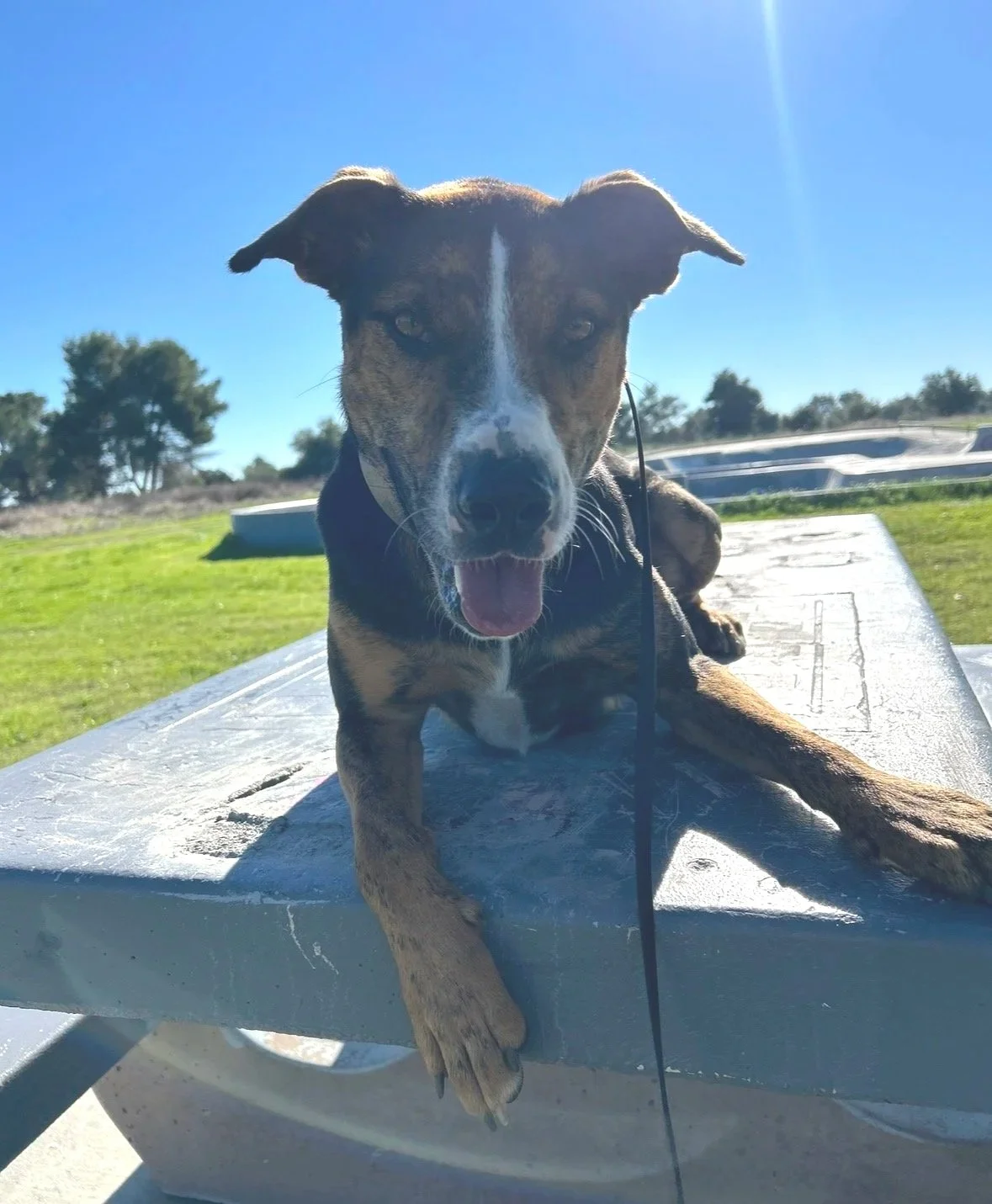
Training Services We Offer
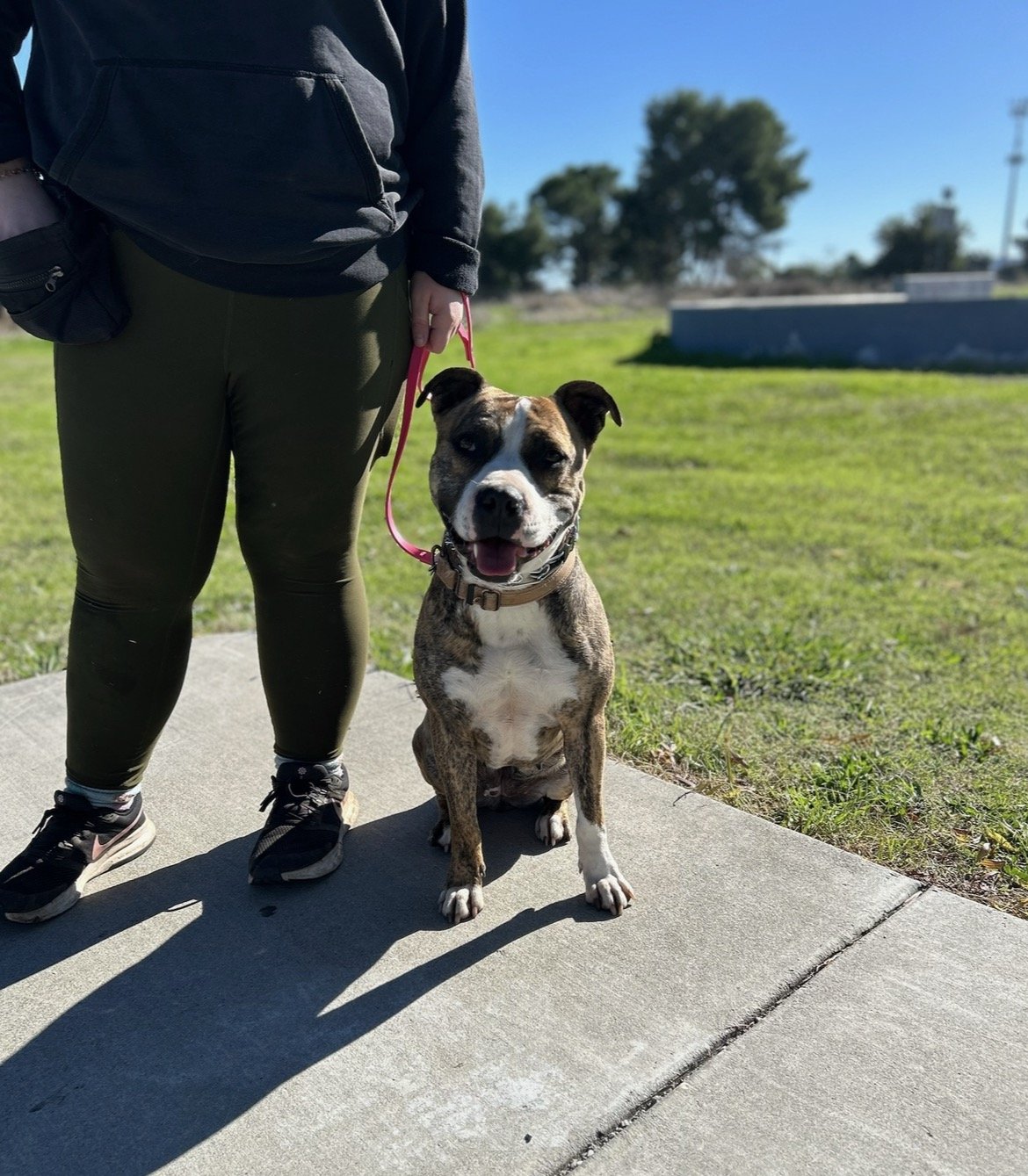
Our certified & experienced trainers are dedicated in molding each session specially to both you and your dog.
Sessions are available in-person, or, over-the-phone.
Please note, over the phone sessions are limited in what we are able to offer. Some training is better in-person.
-
Dog evaluations are structured assessments used to understand a dog’s behavior, temperament, and training level. During an evaluation, a trainer observes how the dog reacts to commands, people, new environments, and other animals, as well as any behavioral concerns. This helps identify the dog’s strengths and challenges, allowing for a customized training plan that meets both the dog’s needs and the owner’s goals.
-
Puppy obedience is the process of teaching young dogs basic commands and proper behavior during their early stages of development. It includes skills like sit, stay, come, and learning how to behave calmly around people and other animals. This type of training focuses on consistency, positive reinforcement, and socialization, helping puppies build confidence and good habits that carry into adulthood.
-
Basic dog obedience is the training that teaches dogs essential commands and everyday manners, such as sit, stay, come, and walking politely on a leash. It helps dogs understand what is expected of them and how to behave in different situations. Through consistency, patience, and positive reinforcement, basic obedience builds clear communication, improves safety, and strengthens the bond between a dog and its owner.
-
Behavior modification is a training process used to change unwanted behaviors in dogs, such as aggression, fearfulness, or excessive barking, by addressing the reasons behind them. It involves techniques like positive reinforcement, consistency, and gradual exposure to triggers to help the dog learn more appropriate responses. The goal is to improve the dog’s behavior in a safe and effective way while building trust and better communication between the dog and its owner.