
Are you a new pet parent?
Unsure where to start?
This page offers a wide selection of tips and tricks, helpful information, checklists, recommended products, and so much more!
New Pet Parent Resources
New Pet Parent Resources
Not sure where to start…?
Don’t fear…
The New Pet Parent Checklist is Here!
-
Breed\Age Appropriate Food
Food & Water Bowls
Properly Fitted Collar w/ ID Tag
Leash or Slip-Lead
Bed
Toys
Crate (Optional, Trainer recommended!)
Poop Bags or Poop Scooper
-
Potty Pads
Small, easy treats to help potty training!
Teething Toys
-
No matter the age, its always important to set up your home before bringing in a new addition.
Block off any parts of the home or outside you don’t want the dog reaching.
Block off anywhere that contains easily accessible hazards (chemicals, tools, etc)
Place out toys for the dog to have before bringing them home. This will help welcome them, alongside teach them first hand what is acceptable to chew and play with.
A Crate is extremely helpful in providing a safe and dedicated space for your pup that also provides a healthy outlet in times of stress or uncomfort.
-
Most Shelters provide the necessary core vaccinations to their rescues before adoption or foster.
This usually includes:
Rabies (A deadly, rabid disease) (Enforced by California LAW)
DAP or DHPP (Distemper, Hepatitis, Parainfluenza, Parvo)
Bordetella (Kennel Cough)
- Check in with your shelter to ensure your rescue has been provided the these vaccinations.
- If they have not had their RABIES or DAP\DHPP Vaccine, a veterinary appointment should be made as soon as possible to complete these vaccinations. Especially for young puppies!
- A basic exam should also be scheduled to ensure the health, safety, and comfort of your pup.
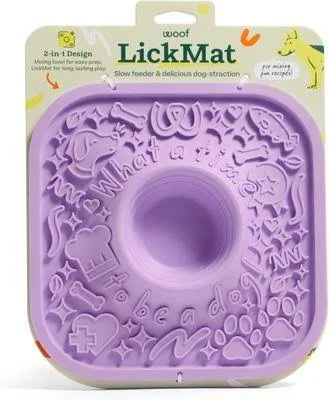

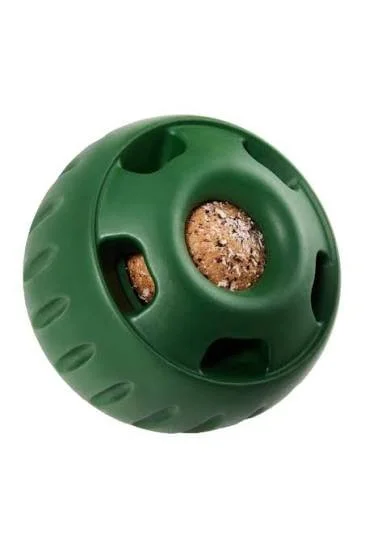
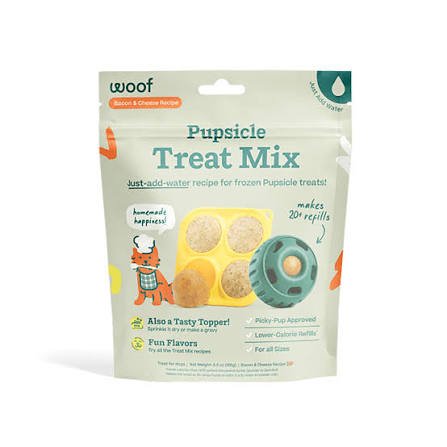
Shop
Recommended
Products!
Veterinary Recommended Products
-
![]()
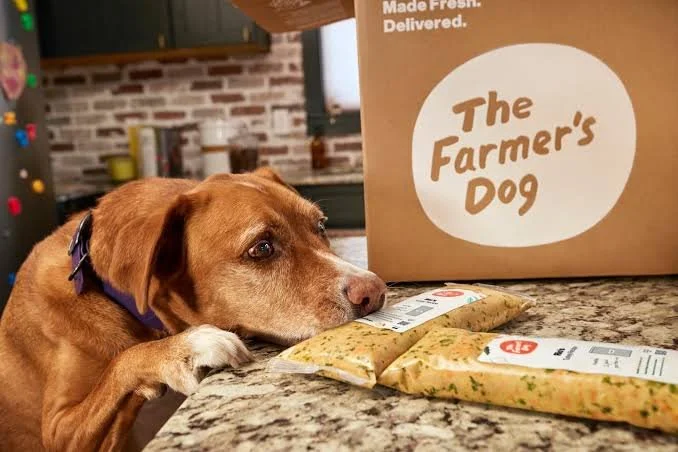
Farmers Dog Fresh Food
Formulated by board-certified veterinary nutritionists, the subscription service is heavily praised for improving digestion, boosting energy, and giving dogs shinier coats.
-
![]()
Dasuquin
Dasuquin is a premium, veterinarian-recommended joint health supplement that helps protect cartilage, reduce inflammation, and improve mobility in dogs. It is primarily used to manage and support dogs with osteoarthritis or general joint wear and tear.
-
![]()
YAK Chews
Yak chews (or Himalayan dog chews) are long-lasting, fully digestible dog treats made from yak and cow milk, lime juice, and a pinch of salt. They are lactose-free, grain-free, and an excellent, non-staining alternative to rawhide.
-
![]()
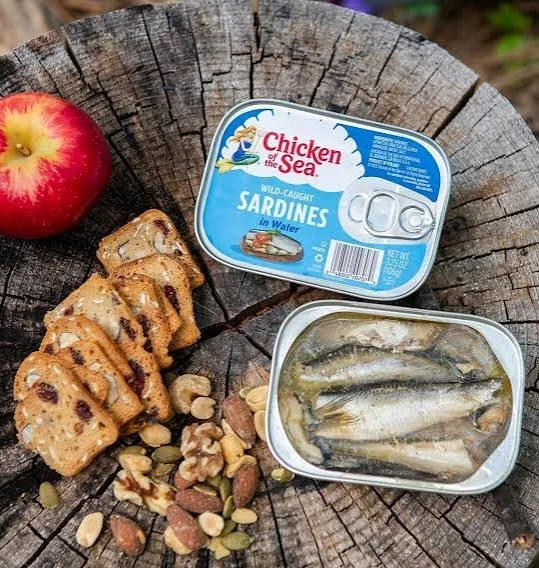
Fish Oil
Yes, fish oil is an excellent supplement for dogs. It is rich in EPA and DHA omega-3 fatty acids, which reduce inflammation, support joint health, improve dry and itchy skin, and bolster the immune system. The best sources of fish oil for dogs are cold-water, wild-caught oily fish like sardines, anchovies, and mackerel. These small fish are highly concentrated in the active omega-3 fatty acids EPA and DHA while being much lower in heavy metals (like mercury) than larger predators like tuna or salmon.


First-Week at Home Tips!
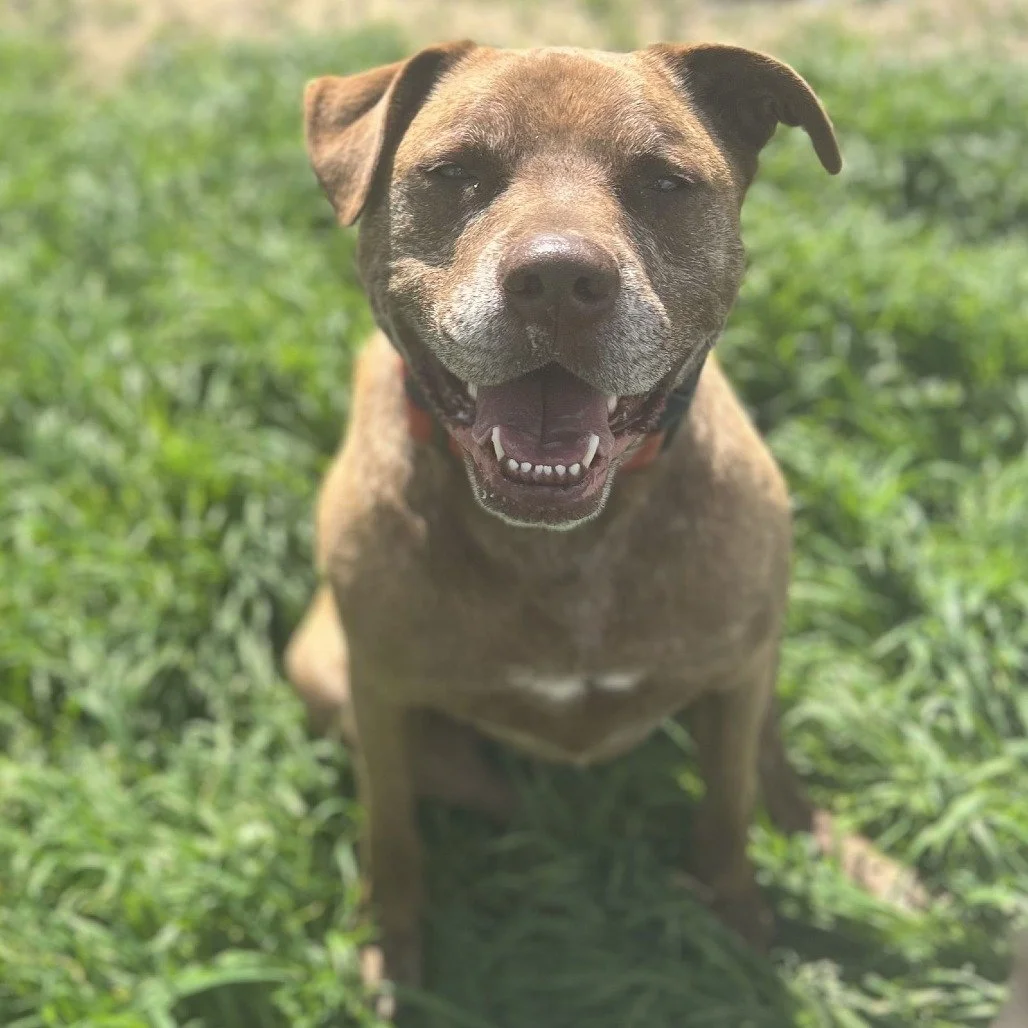
Remember the 3-3-3 Rule!
The 3-3-3 rule for rescue dogs is a helpful rule of thumb for how to settle a pup into their new home. It outlines how to spend the first 3 days, 3 weeks, and 3 months of having a newly adopted dog to help them acclimate to you and your home.
First 3 days are too decompress . The less stimulation, the easier.
First 3 weeks is too begin their adjustment. This means their personality and other characteristics may start to show.
First 3 months is all about building that confidence. This means becoming sure of their routines, finding comfort and happiness in their bond with you, and really start to test those boundaries.
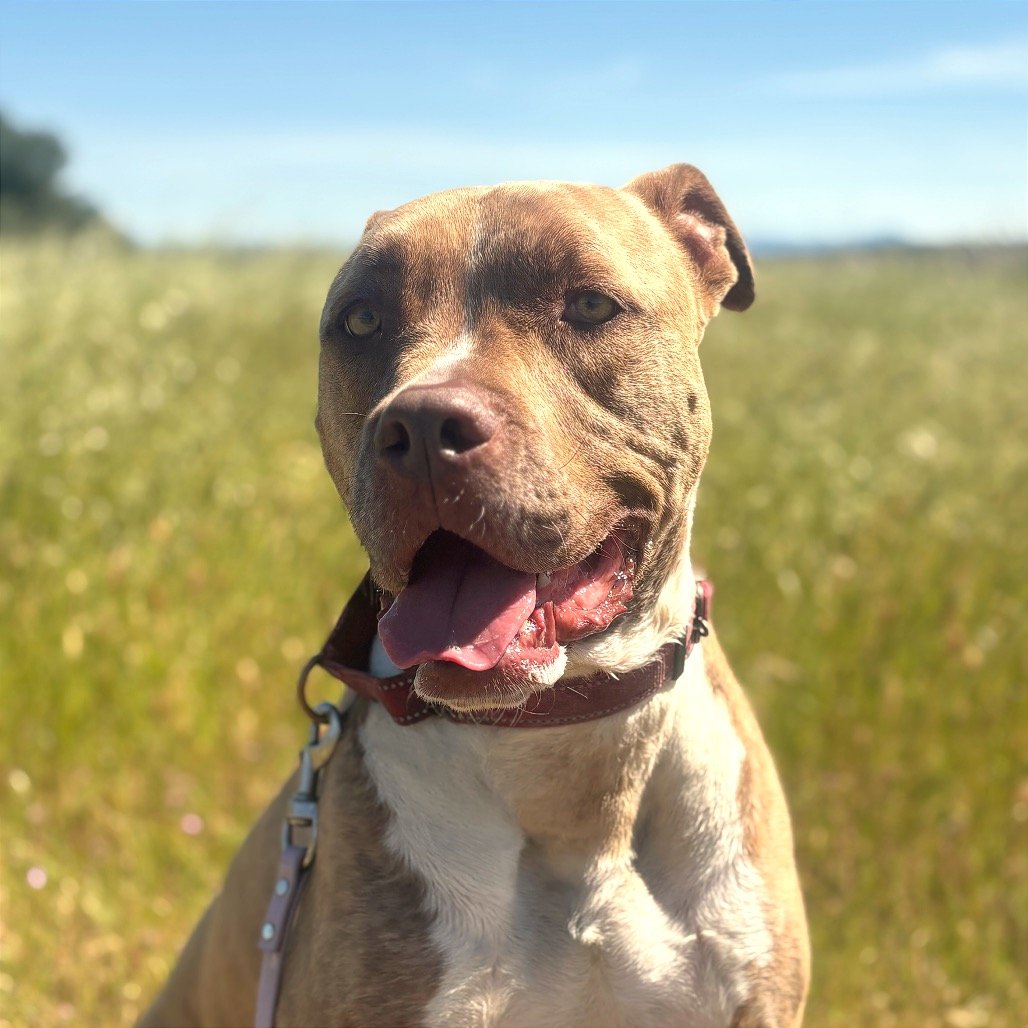
Practice Strict Routines!
A strict routine provides predictability, which drastically reduces a dog's stress.
Knowing when to expect meals, walks, and rest helps them feel safe in a new environment. It accelerates potty training by preventing accidents and fosters trust while they learn your household's rules
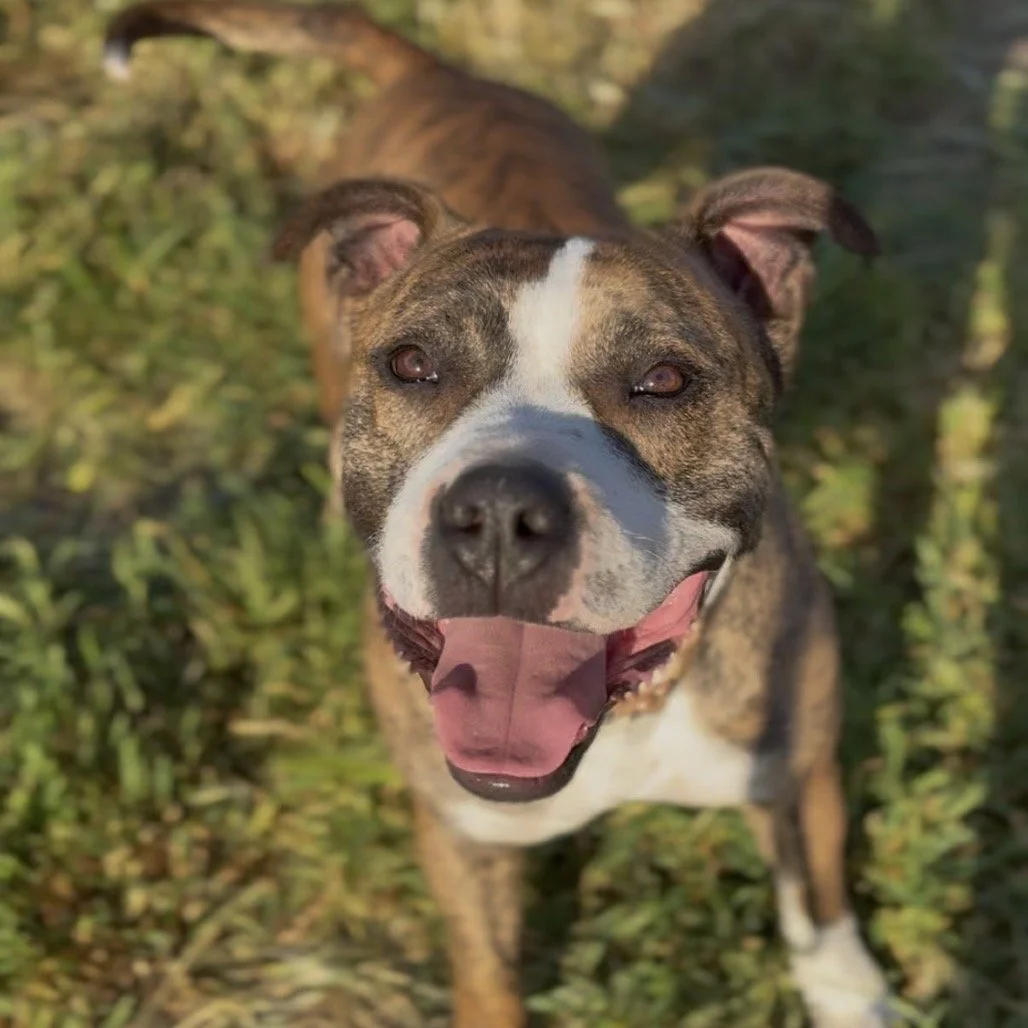
Limit Stimulation!
Limiting stimulation when bringing a dog home allows their nervous system to reset and prevents trigger stacking. A new environment is overwhelming, and keeping things quiet establishes trust, reduces baseline stress, and helps your new pet safely learn household routines without anxiety or fear-based reactions.
Training Starters
-
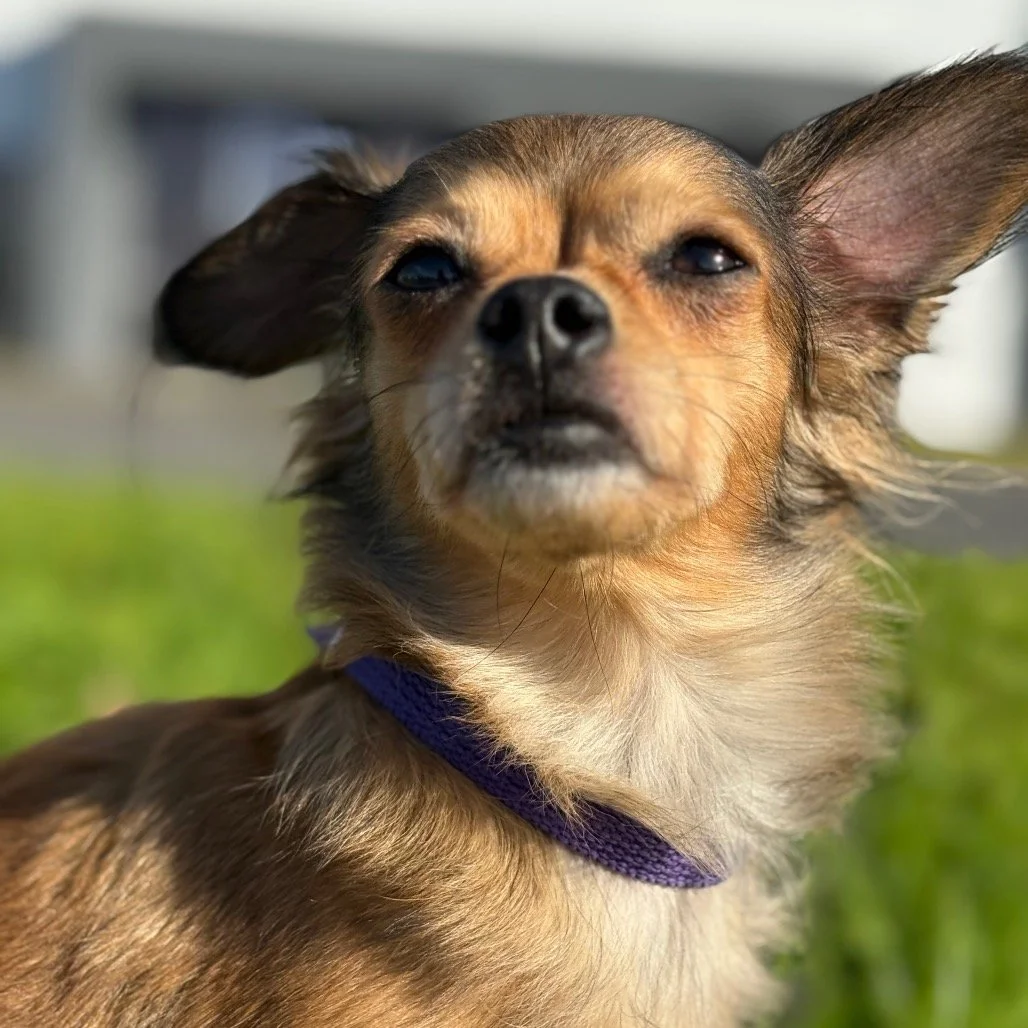
Potty Training
Potty training a puppy requires a strict schedule, constant supervision, and positive reinforcement.
Take your puppy out first thing in the morning, right after meals, naps, and play. Reward successful outdoor trips with treats, and use enzymatic cleaners for indoor accidents to completely eliminate odors.
-
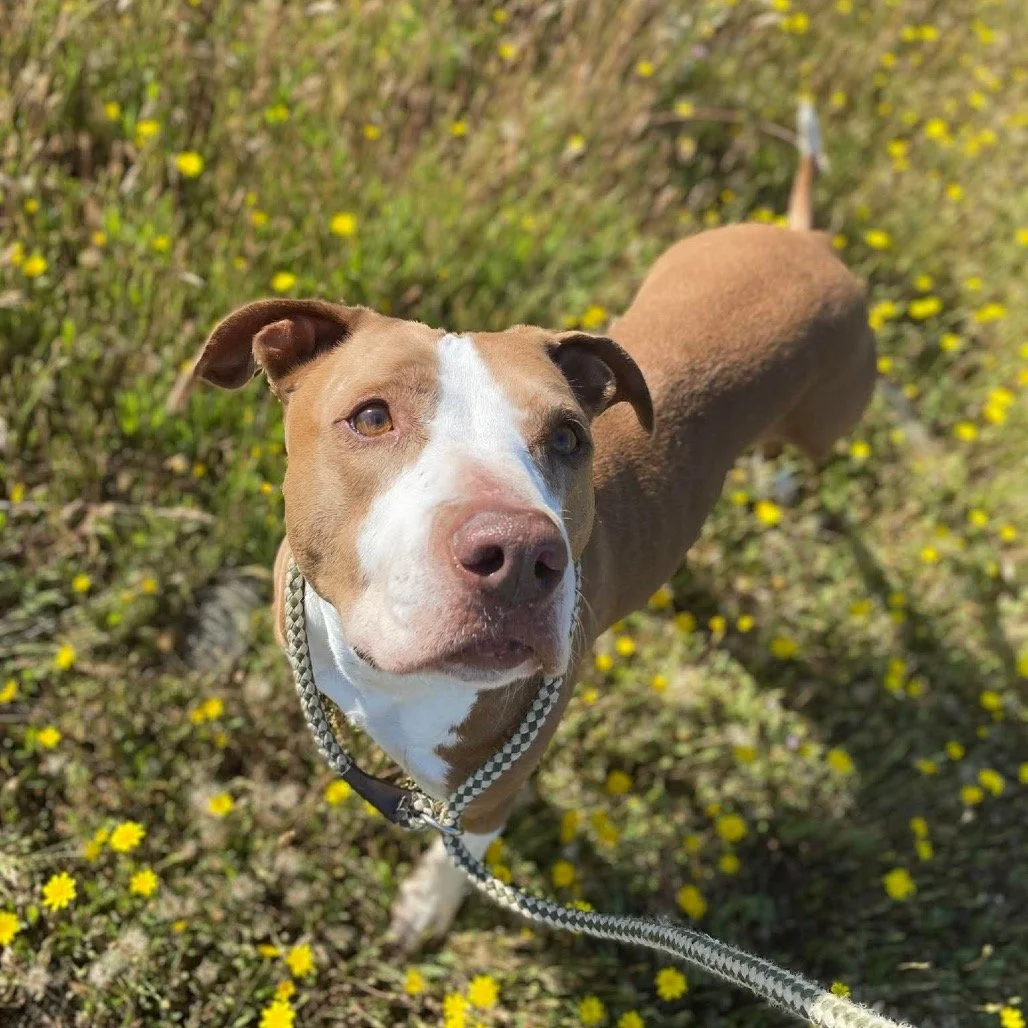
Basic Obidience
Basic dog obedience builds trust and communication, helping your dog become a confident, well-behaved companion.
The foundation relies on positive reinforcement using small treats, clear verbal markers (like "yes!"), and teaching essential daily life cues like sit, stay, come, heel, and "leave it".
-
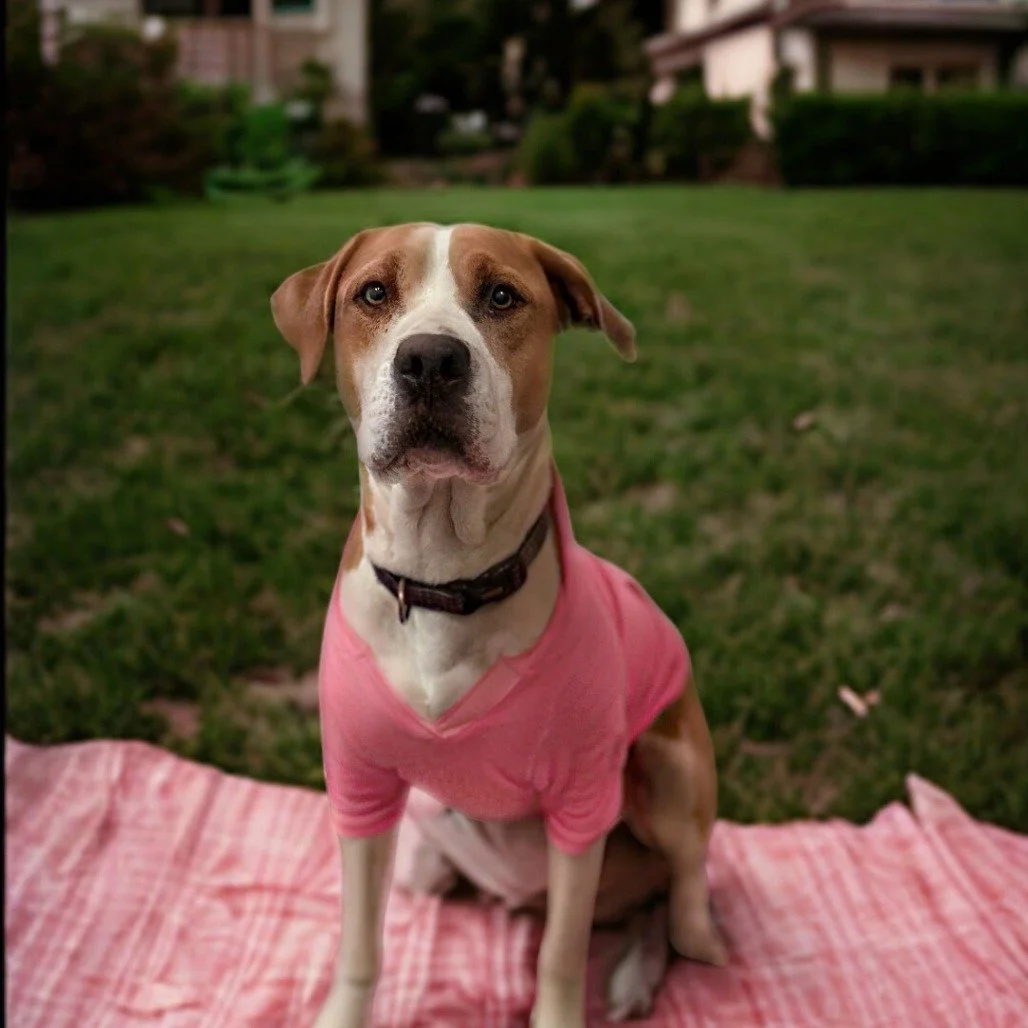
Behavioral Issues
You should contact a professional trainer immediately if your dog displays dangerous or severe issues like aggression, resource guarding, or intense separation anxiety.
Other immediate red flags include behaviors that endanger people or other animals, and issues that suddenly appear in an otherwise well-behaved pet (which often signal underlying pain).
How To Start Training At Home
-
After your rescue has been allowed the 3-3-3 rule, you want to start off with providing Necessary Obedience.
Sit, Down, Place.
These three, basic behaviors will help create a great foundation when furthering this training later on.
It may seem simple, but remember, structure provides dogs with predictability and clear expectations, which satisfies their instinctual need for guidance. Without it, they may feel compelled to make their own decisions, which often leads to anxiety and behavioral issues.
-
Before we start a training session, always create a clear idea of what your goal for the session is. This will help us remember what outcome we are looking for, and what behaviors are being presented that we can work with to help this wanted result.
When teaching a sit or down, you will do something called “Luring”. This action consists of holding a high value treat (salami, chicken, etc) in your hand, and leading the dog into the position you want them, rewarding them with the treat once they’ve presented the correct behavior\action.
As the dog gets the “answer correct”, we will praise, reward, make it a big deal and repetition this until the dog has a strong understanding of what you’re asking of them.
Also…don’t keep sessions long! Always start with a 5-10 minute session, stopping even if they didn’t quite understand you. Always make sure to end things on a good note, there is always room to try again!
Trainer Tip: DO NOT use a cue word like “sit” until the dog already knows the action! Words can become white noise to a dog, so adding a cue word to an action AFTER they have learned it will help them better affiliate that cue to the action.
-
The training is only as good as the amount of work and repetition you put into it, no matter what it’s for.
The reality is…whenever you have the time, is the best time!
For dogs who are experiencing behavioral issues, these cases tend to need a rehabilitation period where consistency is absolutely key. This situation would be better fit for a Board & Train at a Training Facility.
Traveling?
Check out our Boarding Services!
-
Keep your mind at ease while you travel and experience the relief of knowing your pet has high-quality, consistent, safe, comfortable, and relaxing care.
Here at Wags, our facilities have 24/7 on-site staff that are dedicated to ensuring the around-the-clock care of your pet.
-
We require that your animal is up to date on all their yearly, core vaccinations.
-
We offer our services at both our Los Molinos & Chico locations.
Both locations have a spacious, private room that provides your animal their very own area.